Accounts payable
Invoice and purchase sign-off
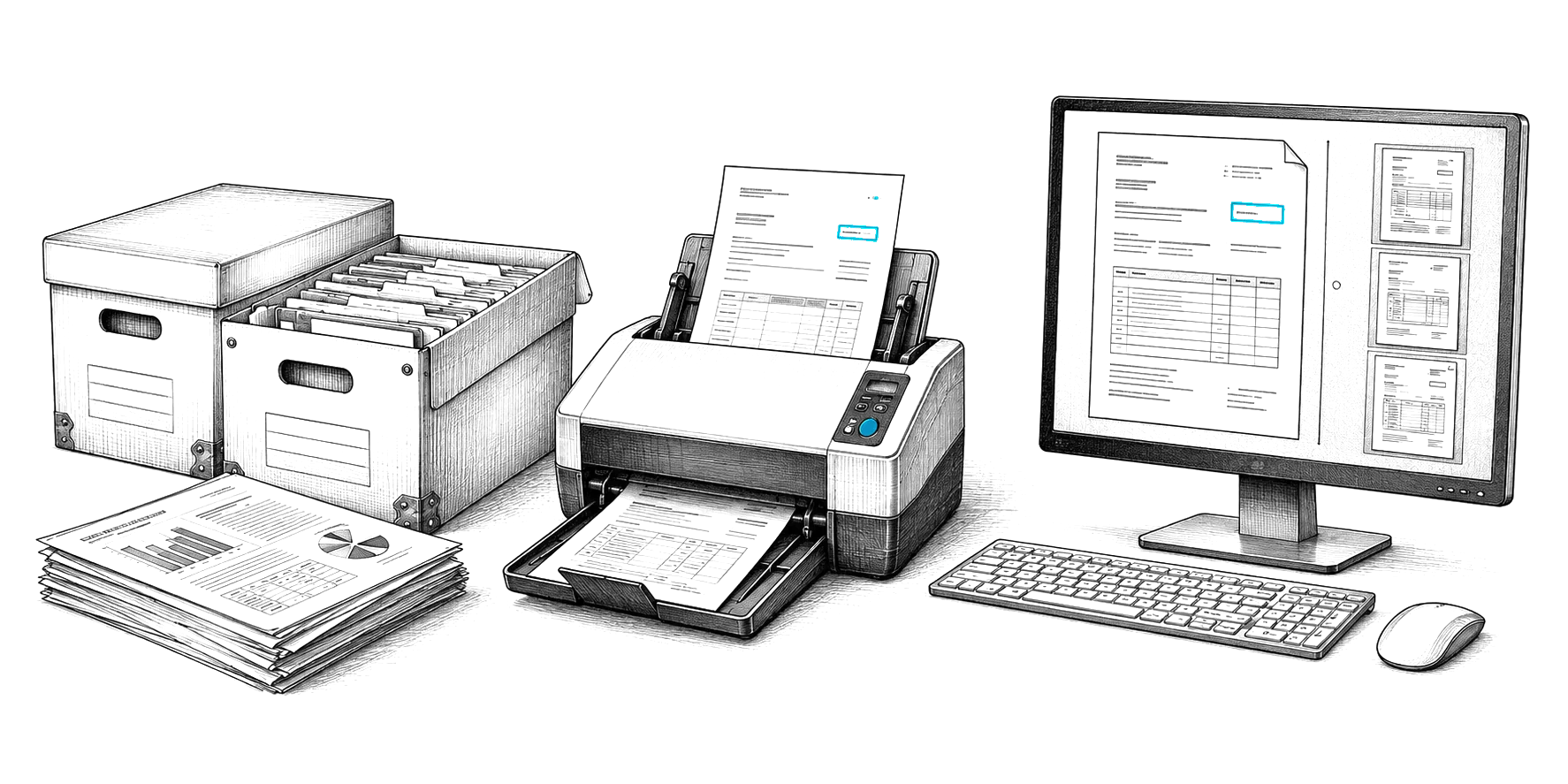
The approver’s signature is stamped on the invoice or requisition the moment they approve it, so the signed copy is the filed copy.
- Sign on approval
Content Central · Electronic signatures
Printing a document, chasing three signatures and scanning it back in takes days and leaves copies everywhere. Content Central sends the request, collects every signature in the browser and files the signed PDF right back where the document lives.
The problem
It comes back as an email attachment or sits in a separate signing service, while your library still holds the unsigned original.
The second signer is on vacation, the third never got it, and someone spends the afternoon following up.
A manager approves the invoice in one place, then signs a printout in another. Twice the clicks, and two records to match up.
01Signature requests
A signature request goes to the people you pick: Content Central users, outside email addresses or a mix. Each spot on the page belongs to one signer, and a signing order makes sure nobody signs before it is their turn.
Choose coworkers, outside email addresses or both. Write your own subject and message, or use a saved message template.
Place the spots for each signer, or load a saved Signature Definition so the layout is already done.
Each person opens the link, signs in the browser, and the next person is asked. Nobody can submit with a required spot left empty.
Signatures are flattened into the PDF and saved as a new version. You are notified, and everyone can get a signed copy.
02Signature types
Save the locations once as a Signature Definition and reuse it on every similar document. Lock spots in place, or let signers place them where you allow.
| Full signature | The signer’s name in a handwriting-style font, at a spot you choose or one you lock in place. |
|---|---|
| Initials | Two to three characters, for the pages or clauses each person has to acknowledge. |
| Printed name | Typed by the signer or filled in from one of the document’s index fields. |
| Date (auto-filled) | Stamped with the signing date in the format you pick. Nobody types it, so nobody gets it wrong. |
| Other | Any short text you need next to a signature, such as a title or a reference. |
Set a minimum number of signatures per recipient and the Submit button stays off until each required spot is filled. Every user can save their signature, initials, printed name and font for the next time.
03Sign on approval
Most documents that need a signature also need an approval. Attach a Signature Definition to an approval stage, or to the final approval, and the approver’s saved signature is stamped at its spot the moment they click Approve. The signed PDF is created and stored automatically.
The approval and the signature happen together, so the decision in the approval history and the signature on the page always match.
Turn on Require PIN for Approval and each approval is logged as approved with a PIN, a second check before a signature goes on.
When a packet goes through an approval, its documents move together and each one can be signed as it is approved.
04Tracking
05The record
Where teams use it
Accounts payable
Compliance
HR
Sales and purchasing
No. Anyone with an email address can sign. They get an email with a link to the document, sign in the browser and submit. Coworkers get the request in their Content Central messages, with an optional email copy.
Yes. Add a signature workflow to a Signature Definition and signers are asked one after another. The next person gets the request only after the previous one signs. Without a signature workflow, everyone is asked at once.
Yes. Attach a Signature Definition to an approval stage or to the final approval. When that person approves, their saved signature is stamped at the predefined spot and the signed PDF is created and stored for you.
The signatures are flattened into the PDF and saved as a new version of the document. The person who sent the request is notified, and you can choose to email the signed document to every signer.
Signatures are typed and shown in a handwriting-style font. Each user can save their signature, initials, printed name and font once and reuse them. There is no drawing pad and no certificate-based digital signature.
Signatures are collected one document at a time. Documents in a packet can each be signed by request, or by sign-on-approval when the packet goes through an approval together.
We will set up the signature spots and a signing order on your own document, live, and show the signed PDF land in version history.
Keep going
Free live demo
Book a free demo and we will show you around, answer your questions and run your real paperwork through it. No cost, no pressure.